A recent study developed a hydrophilic nanocomposite membrane made of polyvinylidene fluoride (PVDF) and cellulose acetate (CA) using electrospinning, significantly improving antifouling performance and water filtration efficiency for wastewater treatment in membrane bioreactors.
Water is life, but treating wastewater? That’s where serious engineering magic happens! In today’s blog, we dive into a fascinating research study titled:
“Development of Antifouling Polyvinylidene Fluoride and Cellulose Acetate Nanocomposite Membranes for Wastewater Treatment Using a Membrane Bioreactor”
(Published in Water, 2025)
This paper tackles one of the biggest challenges in modern water treatment: membrane fouling—and offers an elegant nanotech-powered solution using materials you probably know from your chemistry and polymer classes: PVDF and cellulose acetate!
Let’s break it down.
Membrane Bioreactors (MBRs) are cutting-edge systems used to treat wastewater by combining biological treatment with membrane filtration. They're compact, efficient, and powerful.
BUT… the biggest issue with these systems?
Membrane Fouling — This happens when sludge, microbes, proteins, and other gunk block the membrane pores. This means:
In short: fouling = bad news for sustainable treatment!
The researchers wanted to build a better, smarter membrane that resists fouling naturally.
They did this by blending two polymers:
These were combined using a technique called electrospinning — imagine spinning out tiny nanofibers like cotton candy to form a lightweight, porous membrane with superpowers!
They created two membranes:
Then they tested them on:
Membranes are at the heart of wastewater treatment tech. By making them smarter—more hydrophilic and fouling-resistant—we:
This innovation could be game-changing for urban and industrial wastewater plants, especially in developing regions where reliability and cost matter most.
The PVDF/CA nanocomposite membrane shows a ton of promise, but the journey doesn’t end here. Future improvements might explore:
| Feature | Neat PVDF | PVDF/CA Composite |
|---|---|---|
| Water Contact Angle | 115° (Hydrophobic) | 101° (Hydrophilic) |
| Water Flux | 160 L/m²·h | 190 L/m²·h |
| Porosity | 83% | 91% |
| Tensile Strength | 2.0 MPa | 1.7 MPa |
| TMP Increase | Faster | Slower |
| Fouling Resistance | Moderate | High |
| Wastewater COD Reduction | 105 mg/L | 92 mg/L |
This research proves that small changes at the nanoscale—like adding cellulose acetate to PVDF—can have huge impacts in real-world engineering problems like wastewater treatment.
It’s a brilliant example of materials science + environmental engineering = real solutions.
And with cleaner membranes, we step closer to a cleaner, greener future.
Membrane Bioreactor (MBR) - A super-efficient wastewater treatment system that uses membranes (filters) and microorganisms together to clean dirty water.
Membrane Fouling - Think of this as a "clogged filter" problem — when sludge, microbes, or dirt build up on a membrane and slow down water flow.
Electrospinning - A cool technique where a polymer liquid is spun into super tiny fibers (nanofibers) using electricity — like spinning cotton candy, but with science!
Nanofiber - Ultra-thin fibers (thousands of times thinner than a hair!) used to make materials lightweight, porous, and high-performing.
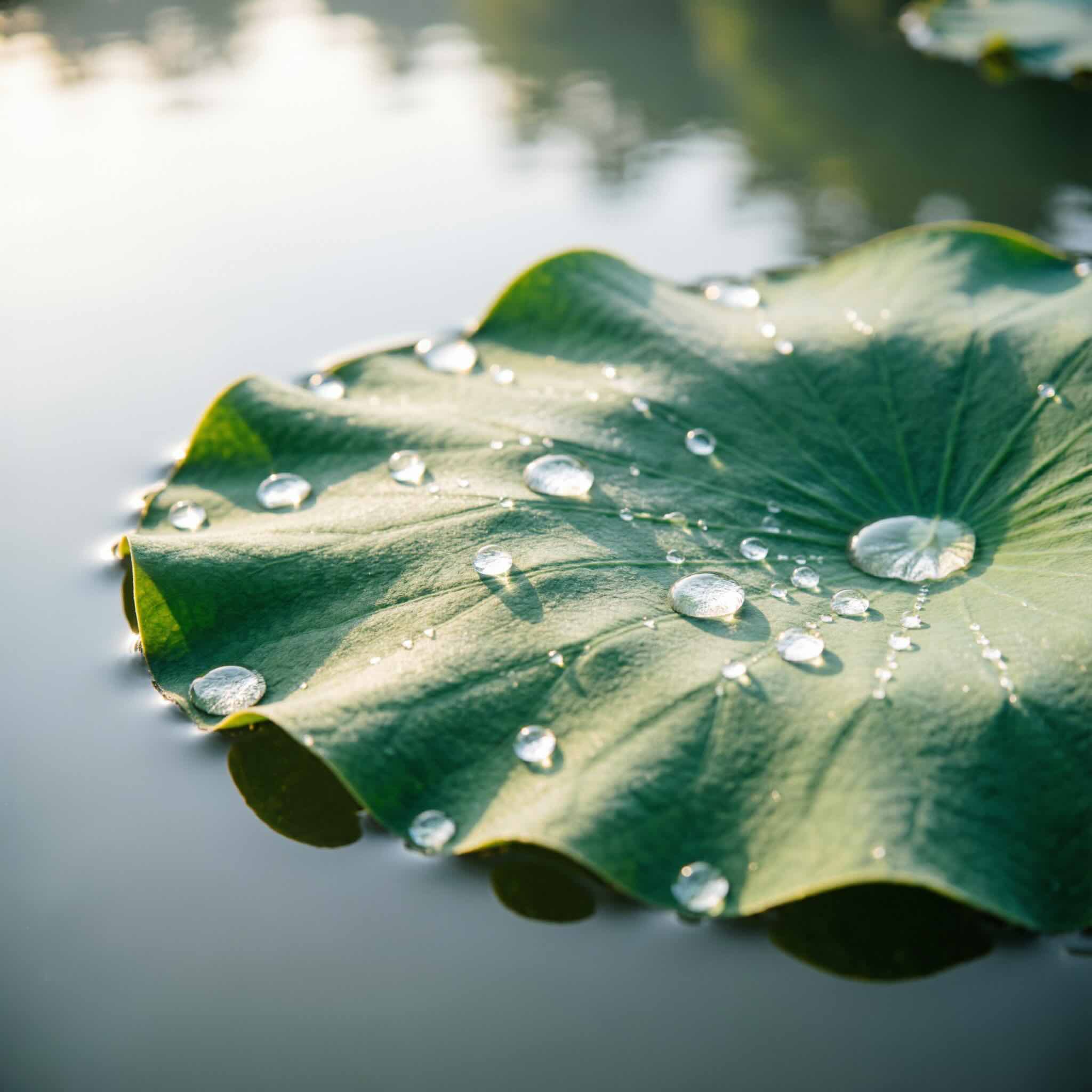
Hydrophilic - Means “water-loving” — surfaces that attract water and let it spread out easily, helping keep things clean.
Hydrophobic - Means “water-repelling” — water forms droplets and rolls off, which can attract dirt and oil instead of washing them away. - More about this concept in the article "Harnessing the Power of Light: How Black Silicon Revolutionizes Solar Cell Efficiency".
Polyvinylidene Fluoride (PVDF) - A strong plastic used in filters — it’s durable and tough, but naturally hydrophobic (which isn't great for fouling).
Cellulose Acetate (CA) - A plant-based, hydrophilic polymer that’s biodegradable and commonly used in eco-friendly filters and membranes.
Water Flux - A measure of how much water passes through a membrane per unit area in a certain time — more flux = faster filtration!
Contact Angle - The angle a water droplet makes on a surface — smaller angle = more water-friendly (hydrophilic), larger angle = more water-resistant (hydrophobic).
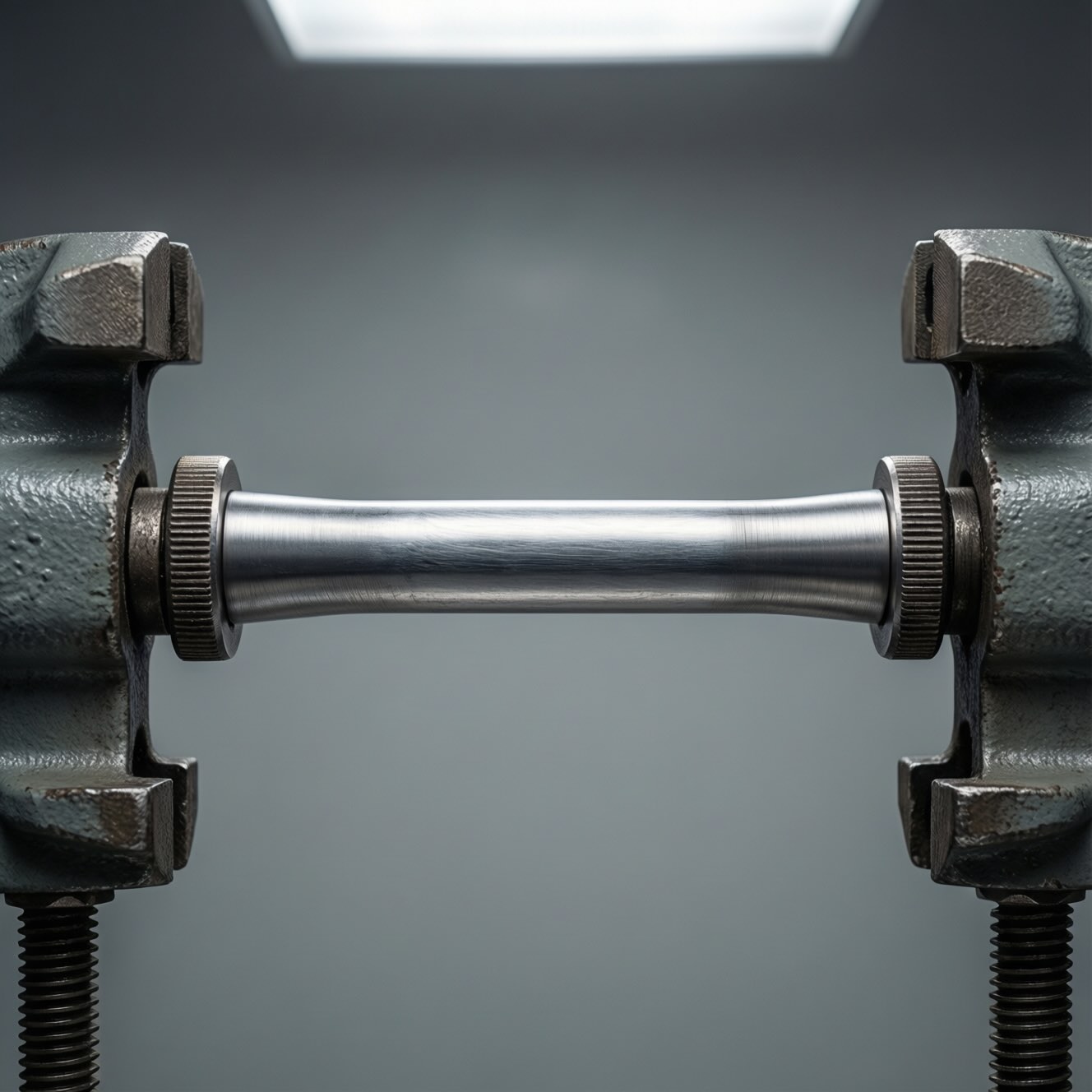
Tensile Strength - How much pulling force a material can handle before breaking — important for making membranes tough and long-lasting.
Mallah, N.B.; Shah, A.A.; Pirzada, A.M.; Ali, I.; Ullman, J.L.; Mahar, R.B.; Khan, M.I. Development of Antifouling Polyvinylidene Fluoride and Cellulose Acetate Nanocomposite Membranes for Wastewater Treatment Using a Membrane Bioreactor. Water 2025, 17, 1767. https://doi.org/10.3390/w17121767
From: Hamdard University; Dawood University of Engineering & Technology; Sindh Madressatul Islam University; University of Utah; Benazir Bhutto Shaheed University of Technology and Skill Development Khairpur; King Khalid University.