This research explores the potential of blockchain-based Decentralized AI (DeAI) to address the challenges of centralized AI systems—such as data privacy, scalability, and trust—by creating a transparent, secure, and collaborative ecosystem for AI development.
The influence of AI is widespread, transforming sectors like healthcare and finance. However, the centralized nature of current AI systems poses significant challenges like data privacy concerns, biases, scalability bottlenecks, and single points of failure. Enter Decentralized AI (DeAI), a concept powered by blockchain technology that promises a fairer, more secure, and transparent AI ecosystem. Let’s dive into the research and understand how DeAI could reshape the future of AI.
Centralized AI systems are akin to a single entity holding all the cards. While this centralization can enhance efficiency, it comes with serious drawbacks:
Blockchain-based DeAI offers a game-changing solution by distributing control across a decentralized network. This approach reduces vulnerabilities and creates a transparent, collaborative ecosystem.
Blockchain is the backbone of DeAI, bringing several key features to the table:
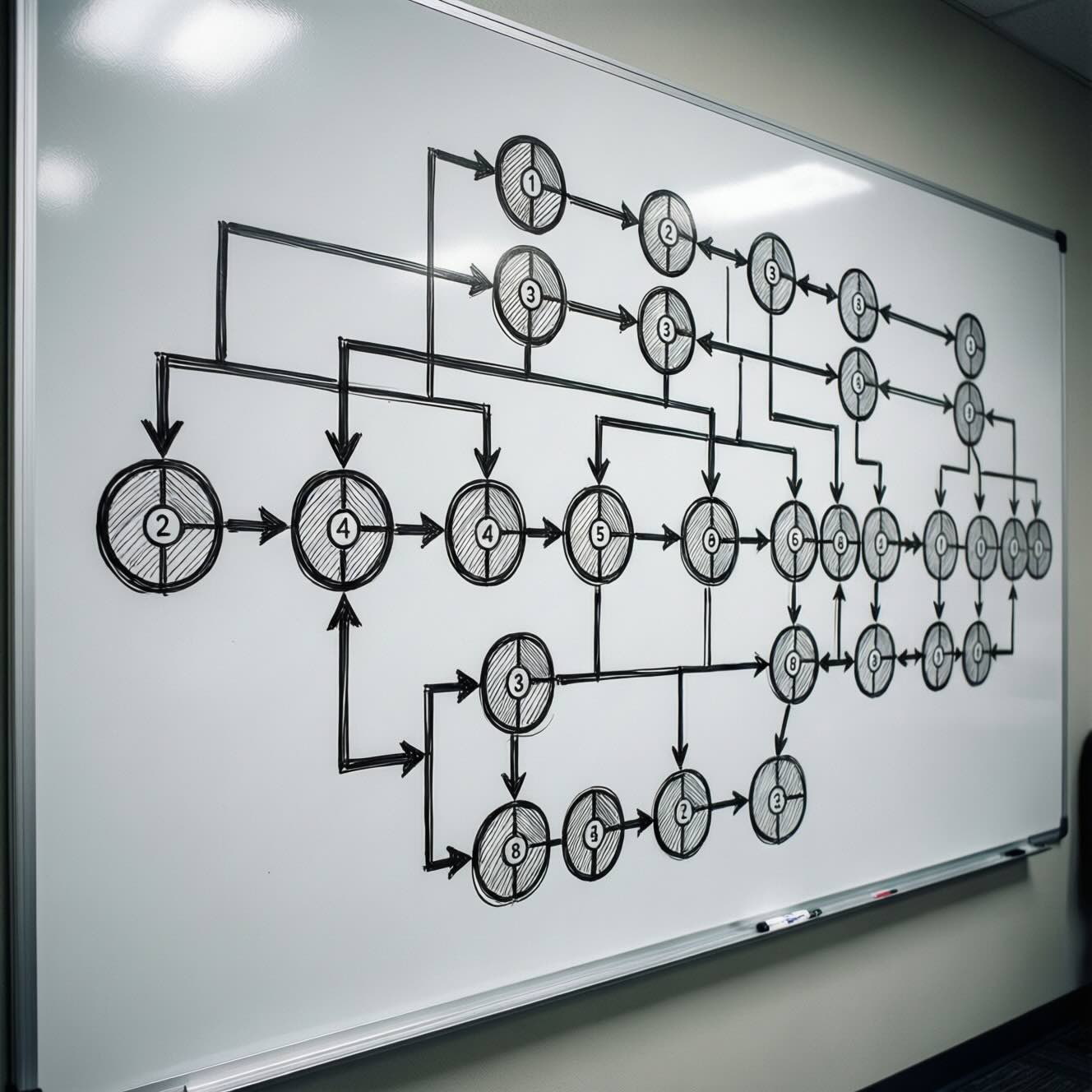
The development of a DeAI model involves several interconnected phases:
DeAI, despite its promise, is still an evolving field with some hurdles:
The research outlines exciting possibilities for the future of DeAI:
Decentralized AI powered by blockchain is more than just a trend—it’s a transformative step towards a fair, secure, and inclusive AI future. As research advances, we’re likely to see DeAI shape industries, democratize AI access, and foster a culture of collaboration and transparency. The journey ahead is challenging but undoubtedly exciting.
Blockchain: A digital ledger that records transactions securely and transparently, with no need for a central authority. - This concept has also been explored in the article "Unlocking Blockchain's Potential: How Large Language Models Revolutionize Blockchain Data Analysis".
Artificial Intelligence (AI): The science of creating machines and software that can learn, reason, and make decisions like humans. - This concept has also been explored in the article "AI Ethics and Regulations: A Deep Dive into Balancing Safety, Transparency, and Innovation".
Centralized AI: AI systems where a single entity controls data, training, and decision-making processes, often raising concerns about biases and privacy.
Decentralized AI (DeAI): An approach that distributes AI development and decision-making across a network, using blockchain for transparency and security.
Smart Contracts: Self-executing programs on a blockchain that automatically enforce agreements when specific conditions are met.
Zero-Knowledge Proofs (ZKPs): A cryptographic technique that allows someone to prove they know something without revealing the actual information. - This concept has also been explored in the article "Revolutionizing Elections with Blockchain: The Future of Secure Voting".
Tokenization: The process of representing assets, like data or AI models, as digital tokens that can be traded or rewarded. - This concept has also been explored in the article "SynEHRgy: Revolutionizing Healthcare with Synthetic Electronic Health Records".
Federated Learning (FL): A machine learning method where training happens across multiple devices, keeping data local and private.
Consensus Mechanism: The process used by blockchain networks to agree on data validity, ensuring trust among participants.
Decentralized Marketplaces: Platforms where AI models, data, and computing power can be traded directly between users, without middlemen.
Zhipeng Wang, Rui Sun, Elizabeth Lui, Vatsal Shah, Xihan Xiong, Jiahao Sun, Davide Crapis, William Knottenbelt. SoK: Decentralized AI (DeAI). https://doi.org/10.48550/arXiv.2411.17461
From: Imperial College London; FLock.io; Newcastle University; Robust Incentives Group - Ethereum Foundation; PIN AI.