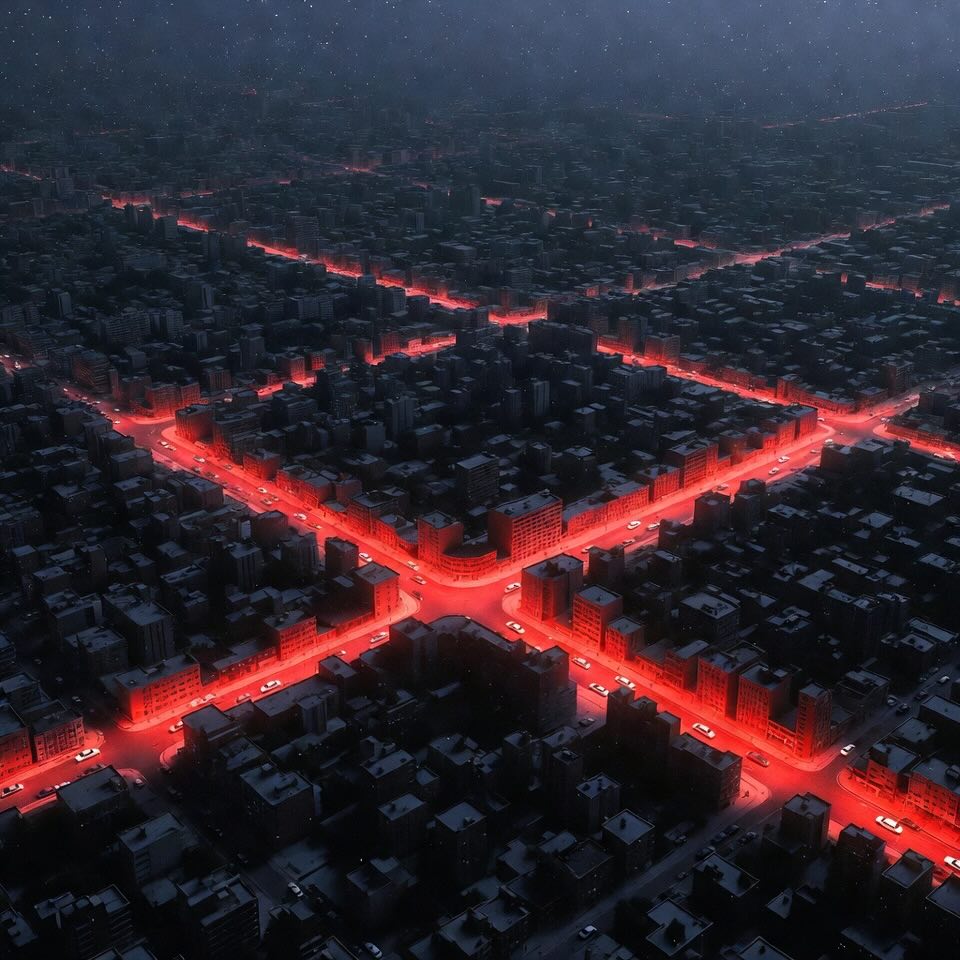
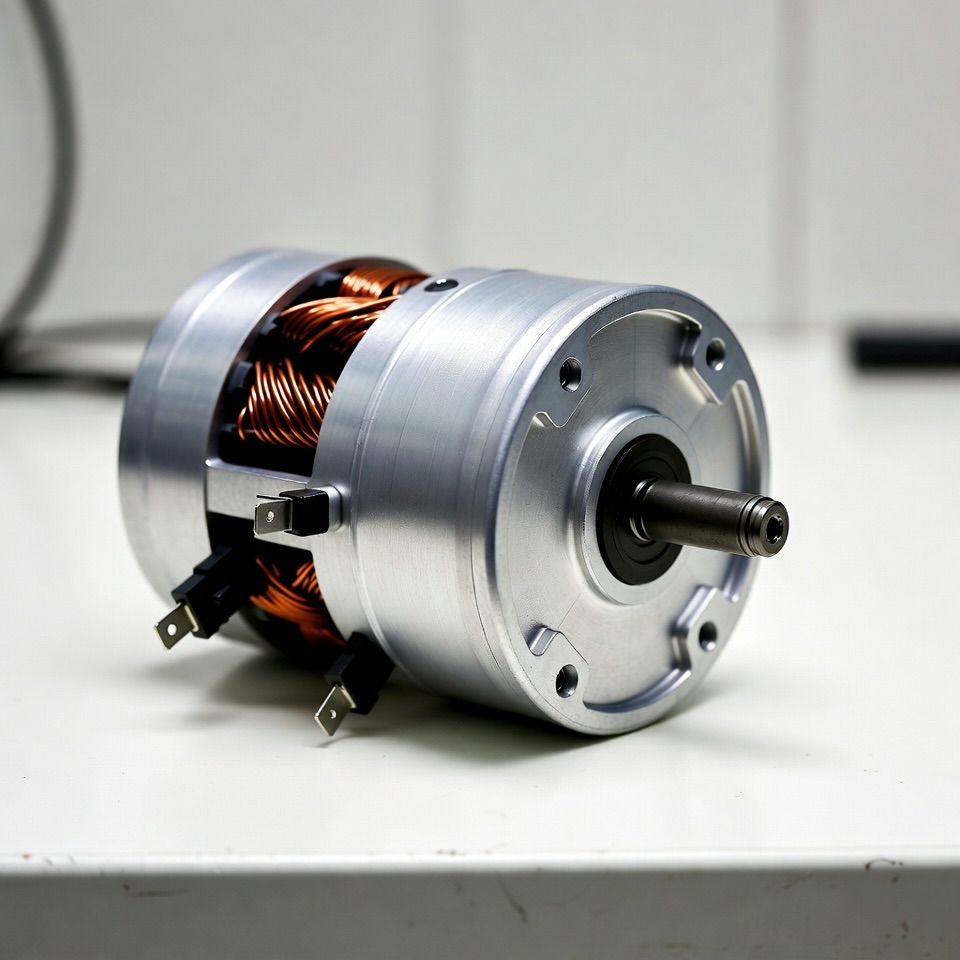
When you flip a light switch or charge your phone, you probably don’t think much about it. But behind every glowing screen and humming appliance is a powerful force shaping our planet’s future — energy. And guess what? It’s at the heart of the biggest global challenge we face today: climate change.
The connection between energy and climate change is more important (and urgent) than ever. Our modern lifestyles run on energy, but the way we produce it is heating up the Earth at an alarming rate.
This new reality brings several crucial considerations to the forefront.
✅ How energy fuels climate change
✅ Why fossil fuels are the main culprit
✅ The exciting rise of renewable energy
✅ Nuclear power’s comeback and the hydrogen revolution
✅ What we can all do to create a cleaner, greener future
With these considerations in mind, we can now turn our attention to the proposed answers and strategic solutions.
Let's face it: energy is the lifeblood of our modern world. From powering our smartphones to fueling our cars, energy is everywhere. But here's the kicker – our insatiable appetite for energy is taking a toll on Mother Earth.
The primary culprit? Fossil fuels. These ancient, carbon-rich energy sources have been our go-to for centuries, but they come with a hefty price tag for the environment. When we burn coal, oil, and natural gas, we release greenhouse gases (GHGs) into the atmosphere, trapping heat and causing global temperatures to rise. It's like wrapping Earth in a thick, warm blanket – cozy for us, but not so great for the planet's delicate ecosystems.
So, just how much is energy contributing to climate change? Brace yourselves, because the numbers are pretty staggering:
These figures paint a clear picture: our current energy systems are the heavyweight champions of climate change. But don't lose hope! The future of energy is looking brighter (and greener) than ever.
As we wake up to the reality of climate change, the world is pivoting towards cleaner, renewable energy sources. Solar panels are popping up on rooftops, wind turbines are spinning across landscapes, and hydroelectric dams are harnessing the power of flowing water. These technologies are not just eco-friendly – they're becoming increasingly cost-effective too!
Here's what the future might look like:
But wait, there's more! The energy landscape of tomorrow isn't just about wind and solar.
After decades of debate and hesitation, nuclear energy is quietly stepping back into the spotlight—and this time, it’s wearing a smarter, safer, and more flexible outfit. As the world races to cut carbon emissions while keeping the lights on, nuclear power is increasingly seen as a reliable low-carbon backbone for future energy systems. Unlike solar and wind, nuclear plants can generate electricity 24/7, making them a powerful ally in stabilizing renewable-heavy grids.
What’s fueling this nuclear revival is innovation. Advanced reactor designs, including next-generation fission reactors and improved cooling systems, aim to significantly reduce the risks associated with older nuclear plants. These designs focus on passive safety—meaning they can shut down safely without human intervention or external power—while also improving fuel efficiency and minimizing waste.
One of the most exciting developments is the rise of Small Modular Reactors (SMRs). Instead of massive, custom-built plants that take decades to complete, SMRs are factory-manufactured, easier to transport, and quicker to deploy. Their smaller size means lower upfront costs, enhanced safety, and greater flexibility—making them ideal for remote regions, industrial hubs, or even pairing with renewable energy to ensure a steady power supply.
At the same time, another clean-energy contender is gaining momentum: hydrogen. Often called the “missing piece” of the energy transition puzzle, hydrogen shines where direct electrification struggles. Heavy industries like steel, cement, and chemicals, as well as long-haul transport, shipping, and aviation, need high energy density fuels—and hydrogen fits the bill.
Not all hydrogen is created equal, though. The real climate hero here is green hydrogen, produced by splitting water into hydrogen and oxygen using renewable electricity. This process emits no carbon dioxide and allows surplus solar or wind energy to be stored and used later—turning hydrogen into both a clean fuel and an energy storage solution.
Together, advanced nuclear power and green hydrogen form a compelling duo. Nuclear plants can provide the constant, low-carbon electricity needed to produce hydrogen at scale, while hydrogen can extend clean energy into sectors that electricity alone can’t easily reach. It’s an ambitious vision—but one that could redefine how we power our industries, move our goods, and fight climate change in the decades ahead.
As we transition to a cleaner energy future, we're not just fighting climate change – we're creating jobs, improving air quality, and building resilience against energy price shocks. It's a win-win-win situation!
But let's be real: this transition won't happen overnight. It requires sustained effort, innovation, and yes, some lifestyle changes from all of us. Every time we choose to walk instead of drive, or opt for energy-efficient appliances, we're casting a vote for the future we want to see.
Energy and climate change are two sides of the same coin. Our energy choices today will shape the climate of tomorrow. The good news? We have the technology and the knowledge to make a positive change. As we embrace renewables, explore nuclear innovations, and unlock the potential of hydrogen, we're not just powering our homes and businesses – we're powering a sustainable future for generations to come.
So, what energy choices will you make today? Remember, every kilowatt counts in the fight against climate change. Let's get energized for a cleaner, greener future!