Engineers in Vietnam turned the invasive water hyacinth (Eichhornia crassipes) into biodegradable geotextile mats that effectively reduce riverbank erosion, cut wave energy by up to 40%, and offer a low-cost, eco-friendly solution for protecting the Mekong Delta.
The Vietnamese Mekong Delta—home to over 17 million people—is one of the most fertile and productive regions on Earth. Yet, it’s quietly crumbling away. Riverbank erosion, fueled by tides, sediment loss, and human activity, threatens farms, homes, and livelihoods.
Traditional solutions like concrete revetments and synthetic geotextiles work—but at a high environmental and economic cost. They disturb ecosystems, are expensive to install, and don’t fit well with the sustainable development goals that Vietnam (and the world) are aiming for.
So, engineers asked a daring question: Can nature itself help save the riverbanks?
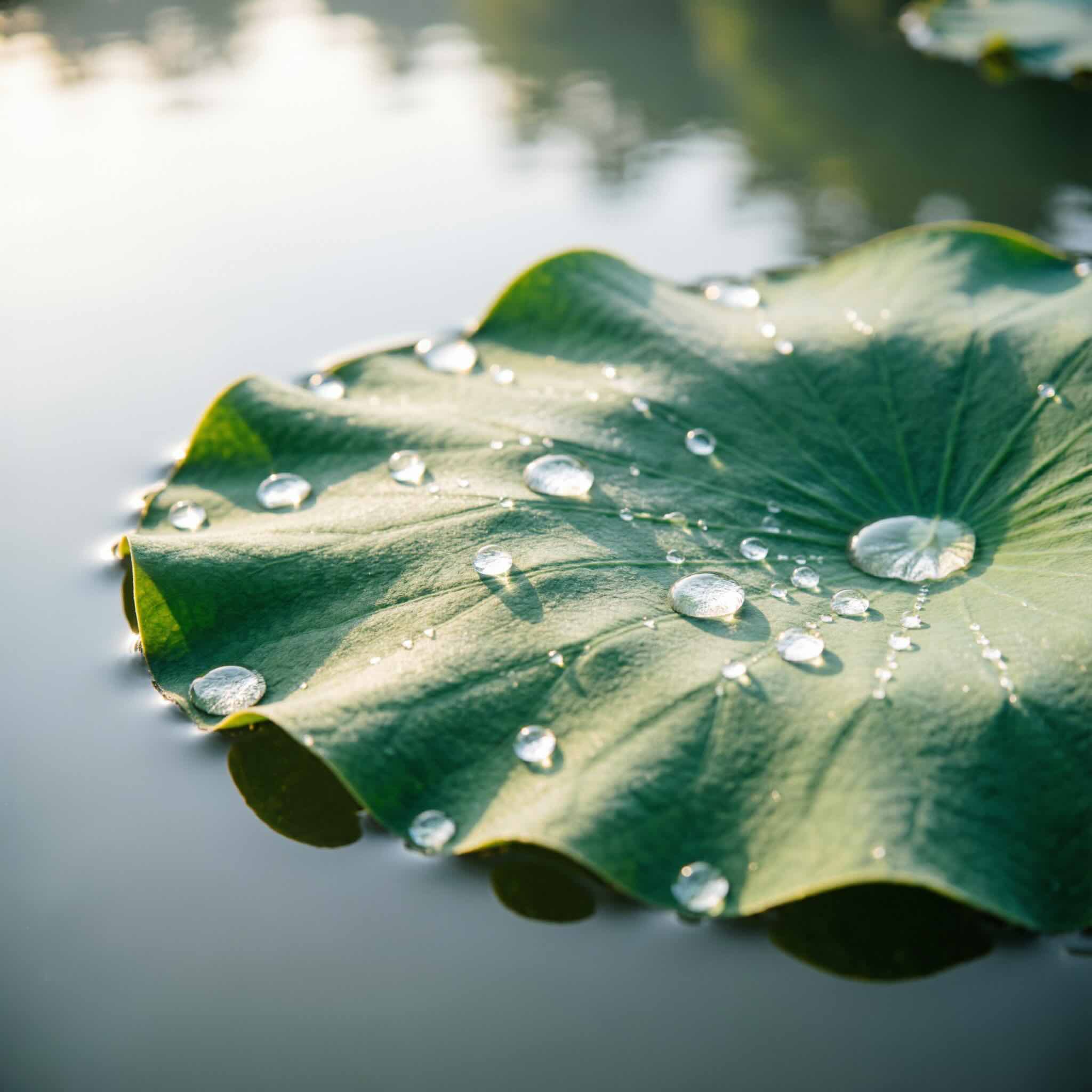
Meet Eichhornia crassipes, or as locals call it, water hyacinth. This floating plant is notorious for clogging waterways, suffocating aquatic life, and disrupting ecosystems. It grows fast—almost too fast! But this “green invader” has a hidden gift: its fibers are rich in cellulose and hemicellulose, which means they’re strong, flexible, and biodegradable.
A team from Can Tho University decided to flip the script—turning this nuisance into a natural defense system. By weaving dried hyacinth stalks into mats, they created biodegradable geotextiles: eco-friendly fabrics that could stabilize soil, reduce erosion, and eventually return to the earth.
The researchers didn’t just dream—they built. Here’s how they tested the new water hyacinth geotextiles in the lab:
Water hyacinths were harvested, cleaned, and sun-dried for 3–5 days. The stalks were then handwoven into 58×29 cm mats using two traditional Vietnamese weaving styles:
Some mats were coated with Callux® CL 326 adhesive to increase strength and water resistance, while others were left natural for flexibility.
In a controlled flume tank, the team built a miniature riverbank and exposed it to artificial waves for 48 hours—with and without hyacinth mats. Sensors tracked wave height and water turbidity (how cloudy the water got from soil erosion).
To mimic Vietnam’s tidal conditions, the mats went through 12 wet–dry cycles (6 hours submerged, 6 hours drying). After every two cycles, their tensile strength and flexibility were measured using advanced testing machines.
The findings were nothing short of inspiring!
Without any protection, the “riverbank” turned the water murky—turbidity shot up to 800 FTU (Formazin Turbidity Units). But with water hyacinth mats, turbidity stayed below 50 FTU after the first few hours.
That’s a 90–95% reduction in soil loss! The mats effectively trapped sediment and stabilized the soil–water boundary.
Even under consistent wave attacks, the mats reduced wave height by 35–40%. Their fibrous, rough texture absorbed and scattered wave energy—acting like a cushion that softened each hit.
Strength matters for river defenses, but so does adaptability. Here’s what the team found:
That means coated mats work best for exposed, high-energy riverbanks, while uncoated ones fit calmer areas where flexibility and plant growth are key.
Water hyacinth geotextiles don’t just stop erosion—they redefine sustainable engineering in tropical regions. Here’s why:
Eco-Friendly: 100% biodegradable, reducing plastic pollution from synthetic geotextiles.
Circular Economy: Turns an invasive plant into a useful product.
Low Cost: Locally sourced materials mean affordable solutions for rural communities.
Community-Based: Local weaving techniques empower villagers and create green jobs.
Climate-Resilient: Aligns with Vietnam’s National Adaptation Plan and IUCN Nature-Based Solutions framework.
Engineers have experimented with many plant-based materials—like jute, coir, and bamboo—for erosion control. Here’s how Eichhornia crassipes stacks up:
| Material | Coir | Bamboo | Water Hyacinth |
| Strength | High | Very High | Moderate |
| Flexibility | Low | Low | High |
| Lifespan | Long | Long | Medium |
| Cost | High | Moderate | Low |
| Local Availability | Imported | Local | Abundant |
So while hyacinth mats may degrade faster, they’re cheaper, lighter, and easier to produce locally—a big win for community-based climate adaptation projects.
Of course, it’s not all smooth sailing (or floating). The research team noted a few challenges:
But these aren’t dealbreakers—they’re opportunities for innovation!
Future research will explore:
This project is more than a local success—it’s a blueprint for tropical resilience. Regions like Bangladesh, Indonesia, India, and parts of Africa face similar erosion and invasive plant problems. Transforming Eichhornia crassipes from a menace to a solution offers a model for sustainable, circular engineering worldwide.
By merging ecology, materials science, and community knowledge, these hyacinth geotextiles prove that smart design doesn’t have to come from factories—it can come from nature itself.
In a world racing to build climate resilience, the Vietnamese researchers remind us of something profound: the best technologies are sometimes humble and handmade.
Water hyacinth—once a symbol of environmental chaos—has become a guardian of riverbanks and a champion of sustainable engineering. This study beautifully illustrates that the solutions to our toughest environmental problems might already be floating by our feet.
Future Vision:
Imagine entire river systems protected by living fabrics woven from nature’s own materials. Imagine communities earning livelihoods by crafting green infrastructure. That’s the future these engineers are building.
Eichhornia crassipes (Water Hyacinth) - A fast-growing floating aquatic plant with shiny green leaves and purple flowers — beautiful but invasive! It spreads quickly in rivers and lakes, blocking sunlight and oxygen for other species.
Geotextile - A fabric (natural or synthetic) used in civil engineering to strengthen soil, prevent erosion, or filter water. Think of it as a protective blanket for the ground.
Nature-Based Solution (NbS) - An engineering or environmental approach that uses natural materials and ecosystems (like plants or wetlands) to solve human problems — such as floods or erosion — while supporting biodiversity.
Riverbank Erosion - The gradual wearing away of soil along a river’s edge due to flowing water, waves, or human activity. It’s like the river “eating” its own banks.
Tensile Strength - A measure of how much pulling force a material can handle before breaking — higher values mean stronger materials. - More about this concept in the article "Higher Performance Cleaning | How Supercharged Nanofiber Membranes Are Changing Wastewater Treatment".
Wet–Dry Cycles - Repeated soaking and drying of materials, mimicking natural tidal or seasonal water changes — a great way to test durability.
Wave Energy Reduction - The ability of a material (like a mat or barrier) to absorb or scatter the energy from waves, making them less powerful and less damaging to the shoreline.
Turbidity - A measure of how cloudy water is due to suspended soil or particles. Clear water = low turbidity; muddy water = high turbidity.
Circular Economy - An approach where waste materials are reused or recycled into new products — turning problems (like invasive plants) into valuable resources. - More about this concept in the article "Can We Grow Mushrooms from Waste? Exploring Circular Economy in Mushroom Cultivation".
Mekong Delta - A vast, fertile region in southern Vietnam formed by the Mekong River — known as the “rice bowl” of Vietnam but highly vulnerable to erosion and flooding.
Bang, N.Q.; Duy, D.V.; Ty, T.V.; Thang, C.N.; Downes, N.K.; Tanaka, H. Water Hyacinth Geotextiles as a Nature-Based Solution for Riverbank Protection in the Vietnamese Mekong Delta. CivilEng 2025, 6, 55. https://doi.org/10.3390/civileng6040055
From: Can Tho University; Tohoku University.