In today’s fast-moving world, efficiency isn’t just nice to have — it’s a necessity! That’s where Industrial Engineering steps in, acting as the secret weapon behind smoother systems, faster services, and smarter workplaces. From getting your online order on time to streamlining healthcare services, industrial engineers are the hidden heroes driving modern industries forward.
But Industrial Engineering isn’t just about speed — it’s about creating better, safer, and more sustainable solutions for every industry, from factories to hospitals.
Let’s talk about saving the world. No, not with a cape or a superpower—with a flowchart. In the monumental, often overwhelming battle against climate change, we’re right to spotlight renewable energy giants and groundbreaking material science. But there’s a quiet, systematic force working behind the scenes, turning potential into practice, and ambition into actual metric tons of CO₂ avoided. That force is Industrial Engineering.
Often pigeonholed as the "efficiency experts" of factories and supply chains, Industrial Engineers (IEs) are, in truth, the master architects of integrated systems. They are the bridge between visionary technology and grounded human need, and in the context of climate, this makes them indispensable. Their core mandate—to optimize complex systems, eliminate waste, and enhance productivity—is precisely the toolkit we need to decarbonize our global economy.
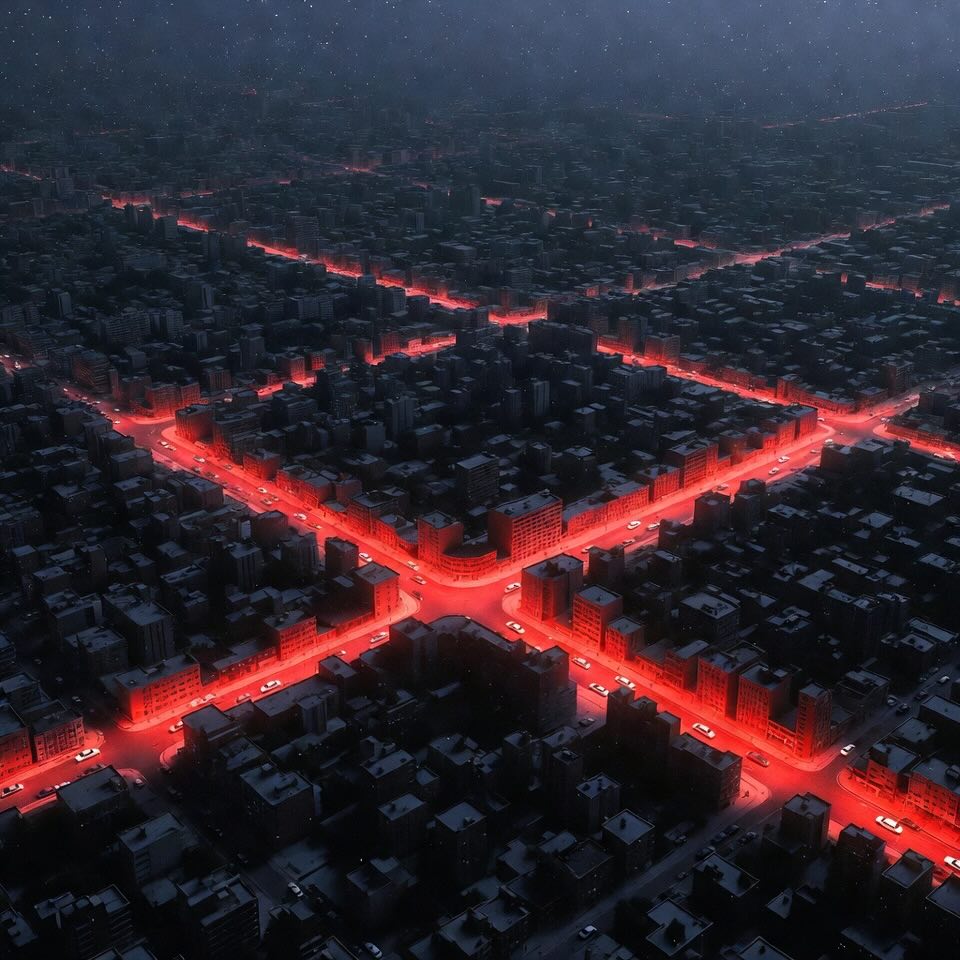
Think about the last package that landed on your doorstep in two days, not seven. That’s more than convenience; it’s a climate story. An IE likely designed that logistics network, balancing speed with fuel efficiency, optimizing delivery routes to minimize miles driven, and selecting packaging that protects your product without being three sizes too big. This isn't trivial. Inefficient logistics are a massive contributor to emissions. IEs attack this problem at the root, viewing the entire system—from warehouse layout to last-mile delivery—as a puzzle where every misplaced piece burns unnecessary fuel.
Now, zoom into a manufacturing plant. The classic IE role. But today’s challenge isn't just to speed up the assembly line; it's to fundamentally re-imagine it as a closed-loop system. IEs conduct detailed energy audits, identifying where a machine guzzles power while idle. They model and simulate processes to reduce the scrap rate from 5% to 1%, which means less raw material extracted, less energy spent processing waste, and fewer products ending up in landfills. They design human-centric workspaces that are not only safer but also reduce energy consumption through smarter lighting and HVAC flow. This is granular, unglamorous work, but its collective impact is staggering.
The real superpower of the Industrial Engineer is systemic thinking. Climate change isn't a single-problem issue; it's a catastrophic outcome of interconnected, inefficient systems. IEs are trained to see these connections.
Consider the transition to renewable energy. Building a wind farm is one challenge; integrating it reliably into the national grid is another, far more complex one. IEs specializing in operations research and systems analysis help model energy demand, optimize storage solutions, and design smart grids that balance intermittent solar and wind with baseline power, maximizing the use of green energy and minimizing fossil-fuel-based backup. They ensure the system of energy delivery is as advanced as the technology generating it.
This thinking extends to the circular economy. The linear "take-make-dispose" model is a climate disaster. IEs are pivotal in designing the circular alternative. They analyze product lifecycles to enable disassembly and remanufacturing. They optimize reverse logistics networks—the systems for taking back used products—making recycling and refurbishment economically viable. They use data analytics to shift business models from selling physical products to providing "product-as-a-service," incentivizing durability and recyclability from the outset.
Crucially, Industrial Engineering is uniquely human-centered. The most elegant, low-carbon process fails if people can’t or won’t use it effectively. IEs understand that technology and behavior are two sides of the same coin.
They apply ergonomics to design electric vehicle charging stations that are intuitive and accessible. They use cognitive engineering to create user interfaces for home energy management systems that actually encourage conservation. They study workflow to ensure that new, sustainable protocols in an office or plant are adopted seamlessly by the staff, not resisted as burdensome. Sustainability that alienates people is not sustainable. IEs ensure that the path to net-zero is also a path to improved safety, comfort, and productivity.
In essence, Industrial Engineers are the translators and the integrators. They take the brilliant, siloed breakthroughs—the new battery chemistry, the carbon-capture tech, the bio-based material—and weave them into the fabric of our daily operations. They find the waste we’ve learned to ignore and turn it into value. They prove that efficiency is not the enemy of resilience but its foundation.
Industrial Engineering is a diverse field with several important specialties. Let's break down some of the most crucial ones:
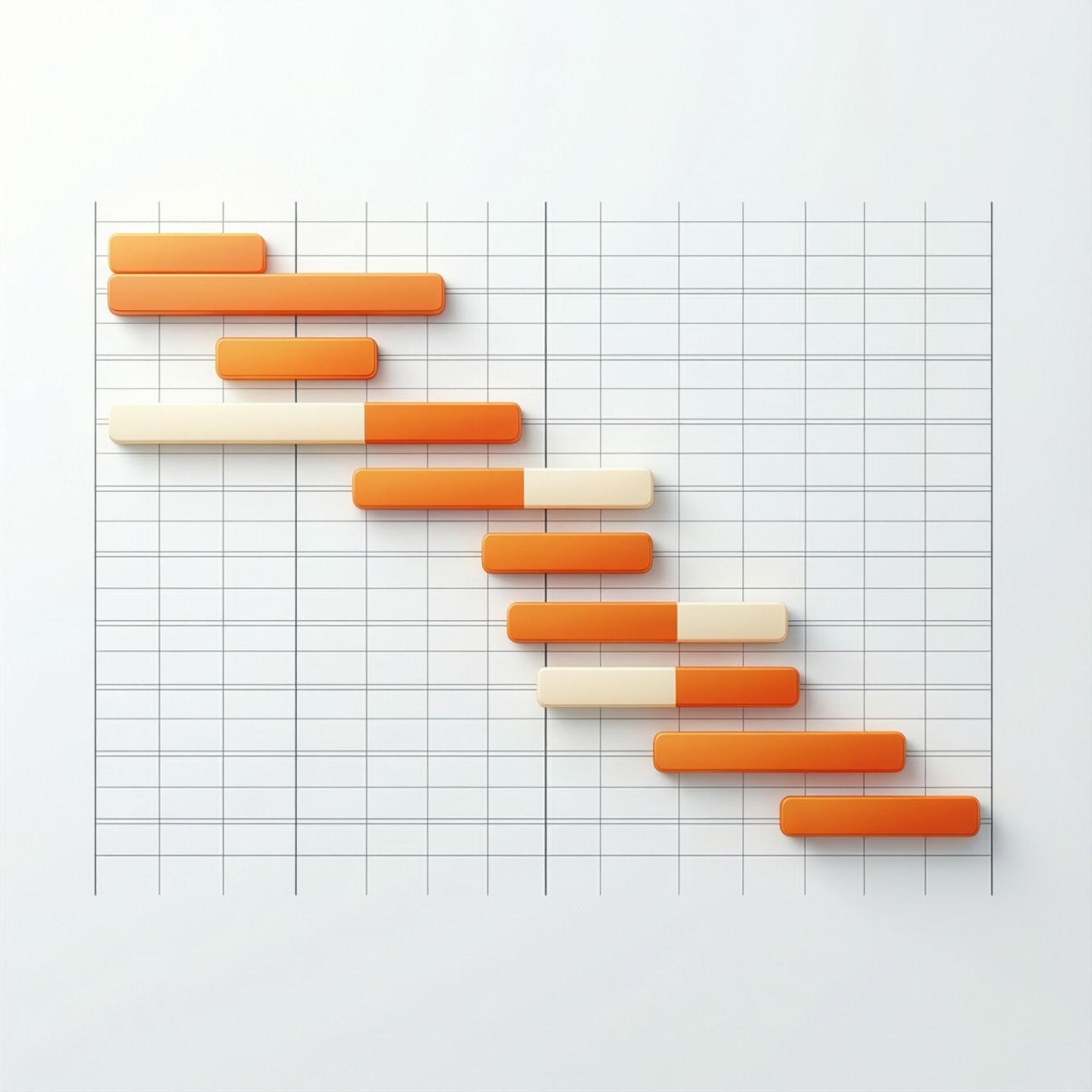
This specialty focuses on using advanced analytical methods to help make better decisions. Operations Research engineers use mathematical modeling, statistical analysis, and optimization techniques to solve complex problems. They're the go-to experts for tackling issues like supply chain management, resource allocation, and scheduling.
Ever wonder why some products feel more comfortable to use than others? That's ergonomics at work! This specialty deals with designing products, systems, and processes that fit the people who use them. It's all about creating safer, more efficient, and more comfortable work environments.
In a world where consumers expect nothing but the best, Quality Engineering is essential. These specialists develop and implement quality control systems, ensuring that products and services meet or exceed standards. They're the guardians of consistency and excellence in manufacturing and service industries.
Process engineers are the efficiency wizards of Industrial Engineering. They analyze and improve manufacturing processes, looking for ways to streamline operations, reduce costs, and increase output. If there's a bottleneck in production, you can bet a process engineer is working to solve it!
With the rise of big data, this specialty has become increasingly important. Industrial engineers in this field use data analysis tools and techniques to extract valuable insights, predict trends, and drive data-informed decision-making across organizations.
Now that we've covered the key specialties, let's look at how Industrial Engineering impacts our daily lives:
Industrial engineers are at the forefront of smart manufacturing. They're implementing automation, robotics, and AI to create factories that are more efficient, flexible, and responsive to market demands. This not only boosts productivity but also helps create safer work environments for human workers.
In hospitals and clinics, industrial engineers work to improve patient flow, reduce wait times, and optimize resource allocation. Their work directly impacts patient care quality and helps healthcare providers do more with limited resources.
As the world focuses on sustainability, industrial engineers are developing eco-friendly processes and products. They're finding ways to reduce waste, conserve energy, and minimize environmental impact across industries. It's not just good for the planet – it's good for business too!
The boom in online shopping wouldn't be possible without industrial engineers. They design and optimize warehouse operations, delivery routes, and inventory management systems that keep those packages flowing to your doorstep.
From restaurants to banks, industrial engineers are working behind the scenes to reduce wait times, improve customer satisfaction, and streamline operations. They're the reason why your favorite coffee shop can handle the morning rush with ease!
As technology continues to advance at breakneck speed, the role of industrial engineers will only grow in importance. The integration of IoT (Internet of Things), machine learning, and advanced analytics is opening up new frontiers in efficiency and optimization.
Industrial engineers of the future will need to be tech-savvy problem solvers with a keen understanding of both human factors and cutting-edge technology. They'll be at the forefront of developing smart cities, implementing industry 4.0 practices, and creating the sustainable, efficient systems of tomorrow.
In conclusion, Industrial Engineering is more than just a field of study – it's a driving force behind the innovations that make our modern world tick. From the products we use to the services we rely on, industrial engineers are working tirelessly to make everything faster, better, and more efficient.
So the next time you marvel at a smooth-running operation or a brilliantly designed product, remember to tip your hat to the industrial engineers making it all possible. They might not always be in the spotlight, but their impact on our daily lives is nothing short of extraordinary!