This research presents a dynamic modeling approach for a next-generation wind turbine with a planetary speed increaser and a counter-rotating generator, showing how it optimizes energy output during the critical start-up phase.
Wind energy is evolving fast! Researchers have introduced a groundbreaking concept in wind turbine design that optimizes power output right from start-up. This article breaks down their study on the dynamic response of a single-rotor wind turbine equipped with a planetary speed increaser and a counter-rotating electric generator. Let's dive into the mechanics, findings, and future prospects of this innovative wind system!
Wind turbines aren’t always spinning at full speed. They often stop due to maintenance, low wind, or extremely high wind speeds. Starting them back up efficiently is crucial for energy optimization.
Traditional turbines use fixed-axis generators, but this new design includes a counter-rotating generator, which means both the rotor and stator spin in opposite directions. This innovation maximizes energy output, making wind energy even more sustainable.
The transition from rest to operation is a critical phase in wind energy conversion. Understanding the dynamic behavior during this phase helps optimize turbine controllers and improve energy efficiency. Saulescu and Neagoe tackled this challenge head-on by analyzing the dynamic response of a novel wind turbine during its start-up phase.
At the heart of this innovation is a planetary speed increaser connected to a counter-rotating generator. Here's a simplified breakdown:
The planetary speed increaser uses multiple gears to amplify rotational speed, distributing power to both the rotor and stator. This branched power flow is key to the system’s efficiency.
The study simulated the start-up of a 100 kW wind turbine using MATLAB-Simulink. Here are some notable results:
Unlike traditional turbines that have a fixed stator, this design uses a mobile stator that rotates in the opposite direction to the rotor. This counter-rotation enhances power generation by utilizing both components to their maximum potential.
Key Advantages:
This innovative wind system has the potential to revolutionize how we harness wind energy. Here are some future prospects:
The study highlights the importance of optimizing the timing for connecting the generator to the grid. Future research could explore:
The algorithm proposed by the researchers can be adapted for:
The researchers plan to validate their findings through real-world testing. This step is crucial to move from theoretical models to practical implementations.
With global efforts to reduce carbon emissions, optimizing renewable energy sources like wind is more important than ever. This research contributes to:
The future of wind energy is looking brighter (and faster!) thanks to innovations like the counter-rotating wind turbine. This study not only fills a gap in the literature but also paves the way for smarter, more efficient wind systems.
Wind Rotor – The big spinning blades that capture wind energy and convert it into rotational motion.
Planetary Speed Increaser – A fancy gearbox that boosts the rotation speed from the wind rotor to power the generator more efficiently.
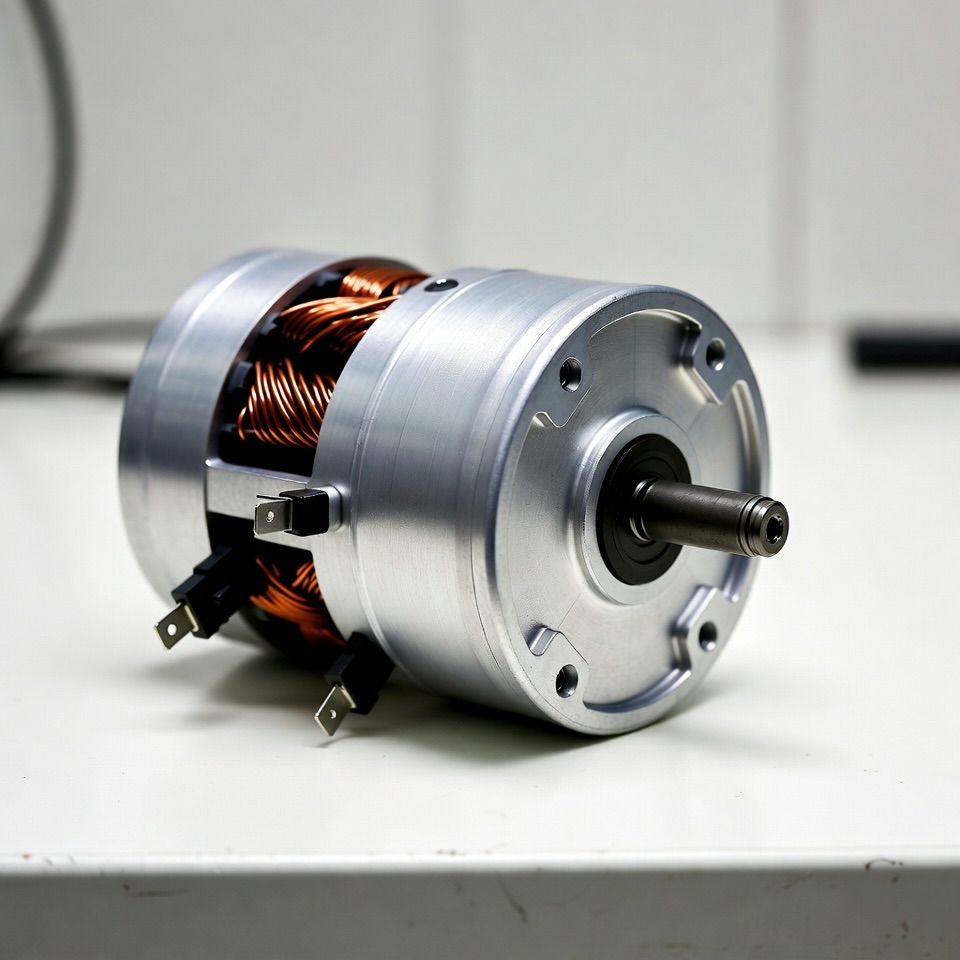
Counter-Rotating Generator – A type of electric generator where both the rotor (inside) and the stator (outside) spin in opposite directions to produce more power.
Torque – A measure of rotational force, like how hard you're twisting something. More torque means more power! - This concept has also been explored in the article "Dynamic Switching Techniques for Asymmetric Motors with Single-Phase Supply".
Transient State – The period when a system is shifting from rest to steady operation, like when a wind turbine is starting up.
Steady State – The stable, fully operational phase where everything runs smoothly and efficiently.
Efficiency – The ratio of useful energy output to the input energy. Higher efficiency means less energy waste! - This concept has also been explored in the article "Harnessing the Power of Light: How Black Silicon Revolutionizes Solar Cell Efficiency".
Saulescu, R.; Neagoe, M. Dynamic Response of a Single-Rotor Wind Turbine with Planetary Speed Increaser and Counter-Rotating Electric Generator in Starting Transient State. Appl. Sci. 2025, 15, 191. https://doi.org/10.3390/app15010191