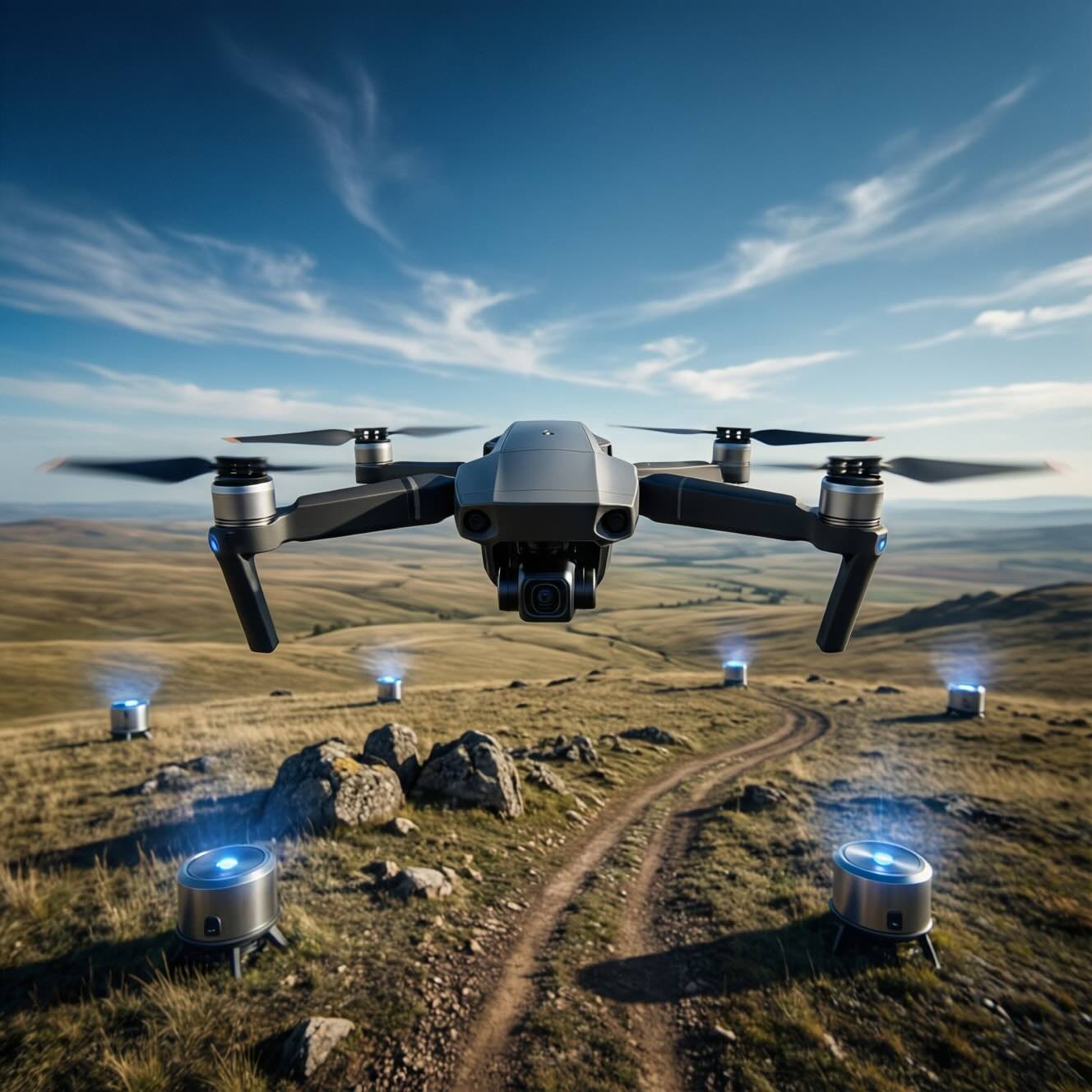
In today’s fast-paced world, cities aren’t just growing—they’re getting smarter! From self-adjusting traffic lights to buildings that save energy on autopilot, the way we design and build our urban spaces is being completely transformed.
This may seem like an urban dream converting to reality! It's one of the most exciting developments in urban engineering: smart cities. These aren't just sci-fi fantasies anymore – they're becoming a reality, and they're set to revolutionize the way we live, work, and interact with our urban environments.
The future of smart, sustainable cities is being built right now, and you’re about to find out how you can be part of it. Let’s get started!
Before diving into the technical details, let’s take a step back and unpack what we really mean when we talk about a “smart city.” The term may sound futuristic, but at its core, a smart city is simply a city that uses technology intelligently to make everyday urban life better—for people, the economy, and the environment.
A smart city leverages information and communication technologies (ICT)—such as sensors, data networks, cloud computing, and artificial intelligence—to understand what is happening across the city in real time. These technologies collect data from roads, buildings, power grids, water systems, and even public spaces. Once analyzed, this data helps city managers make faster, smarter, and more informed decisions.
One of the key goals of a smart city is efficiency. For example, smart traffic management systems can reduce congestion by adjusting traffic lights based on real-time vehicle flow. Smart energy grids can balance electricity demand and supply, integrate renewable energy sources like solar and wind, and reduce energy losses. Even waste collection becomes more efficient when smart bins signal when they are full, saving fuel, time, and emissions.
Another major pillar of smart cities is sustainability, which is especially critical in the context of energy and climate change. Cities consume over two-thirds of the world’s energy and produce a significant share of global greenhouse gas emissions. Smart technologies help cities monitor energy use, reduce waste, and cut carbon emissions. For instance, smart buildings can automatically adjust lighting, heating, and cooling based on occupancy, significantly lowering energy consumption.
Equally important is the human side of smart cities. A city is not truly “smart” unless it improves the quality of life for its residents. Digital platforms can enhance communication between citizens and local governments, making public services more transparent and accessible. Mobile apps can provide real-time public transport updates, air quality information, or emergency alerts—empowering citizens with knowledge and choice.
In short, a smart city is not just about technology—it’s about using technology with purpose. It’s about designing urban systems that are responsive, inclusive, and resilient. By combining data, digital tools, and thoughtful urban planning, smart cities aim to tackle modern challenges like climate change, population growth, and resource scarcity—while creating cleaner, safer, and more livable places for everyone.
So, who's making all this magic happen? Let's give a shout-out to some of the key players:
While we've made incredible strides in smart city technology, we're really just at the beginning of this journey. As AI and IoT capabilities continue to advance, we can expect even more innovative solutions to urban challenges.
Imagine a city where your autonomous vehicle communicates with parking spaces to find you the closest spot, where your home automatically adjusts its energy usage based on your habits and the current electricity demand, and where city services are predictive rather than reactive.
The possibilities are endless, and that's what makes this field so exciting for us engineers. We're not just building infrastructure; we're crafting the future of urban living.
So, the next time you're stuck in traffic or struggling to find a parking spot, remember: change is coming. Our cities are getting smarter every day, and the future is looking bright (and efficiently lit by smart LED streetlights, of course).