Wondering if Agile is right for you? Or should you stick to Waterfall? Let’s dive into the exciting world of Agile project management!
In today’s fast-paced tech world, projects rarely go exactly as planned. That’s where Agile shines—flexible, adaptive, and built for rapid change. From software teams to engineering firms, Agile is changing how projects are delivered.
In this article, we’ll break down what Agile really means, compare it with the classic Waterfall method, and show you why Agile gives teams a competitive edge. Ready to ride the Agile wave?
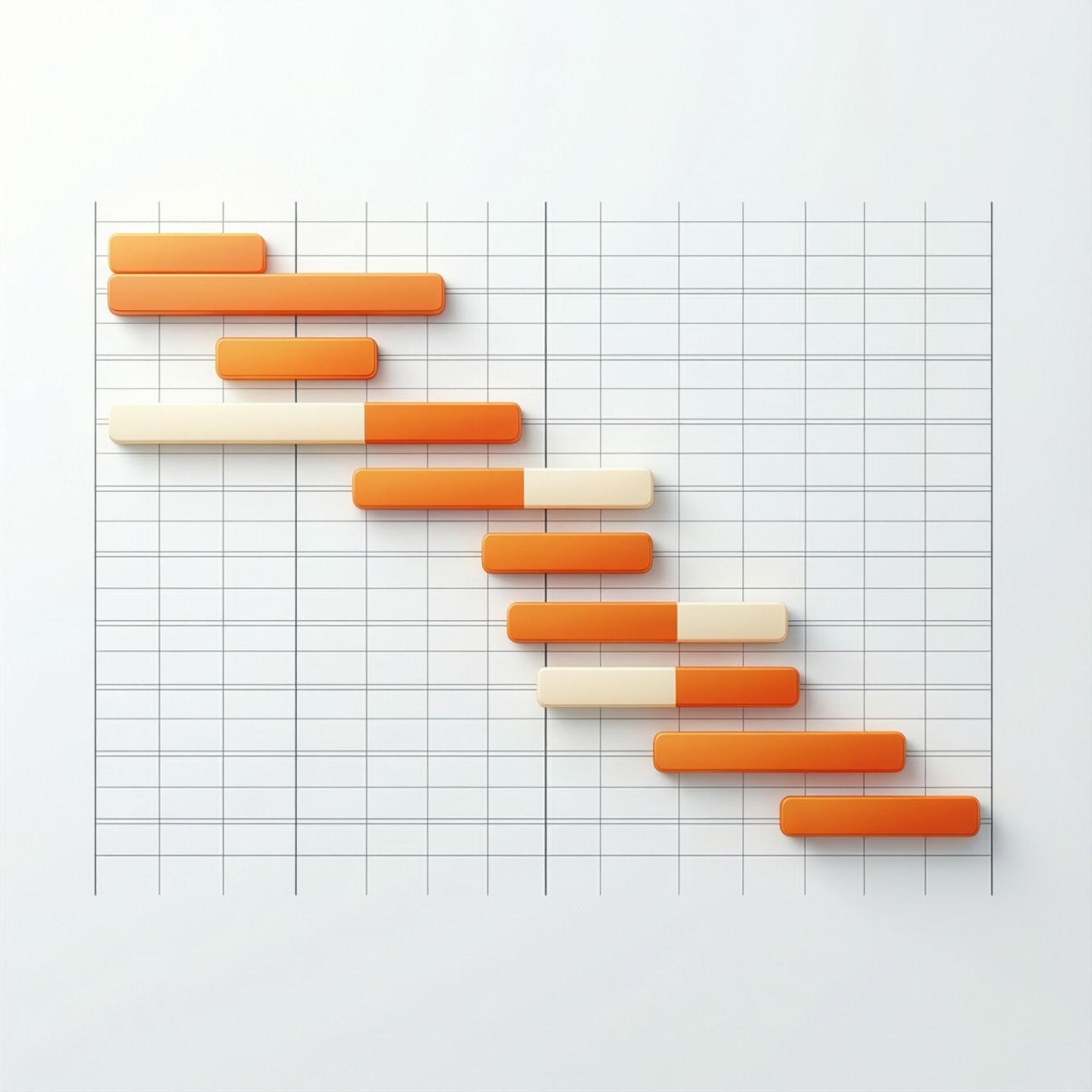
First up, we have the Waterfall method. Picture a majestic waterfall, with water flowing steadily from one level to the next. That's essentially how the Waterfall approach works in project management.
The Waterfall method is a linear, sequential approach to project management. It follows a strict, step-by-If you’ve ever tried to bake a cake by following a recipe step-by-step, or assembled a piece of furniture using those cryptic illustrated instructions, you’ve already channeled the spirit of the Waterfall methodology. In the world of engineering and project management, Waterfall is the classic, disciplined blueprint for getting complex things built. It’s the architectural equivalent of “measure twice, cut once.”
At its core, Waterfall is a linear, sequential approach to project management. Imagine a literal waterfall cascading down a series of rocky tiers. The water cannot flow back up; it must complete its journey down one level before proceeding to the next. Similarly, a project using the Waterfall method moves through a strict, predefined set of phases, each requiring sign-off and completion before the next one begins. It’s a model built on the principle of meticulous upfront planning, with the goal of minimizing uncertainty and change later on.
Your comparison to building a house is spot-on! You don’t pick out paint swatches before the concrete is poured, and you certainly don’t install the roof before the walls are up. The entire project rests on the integrity of each preceding phase. Let’s put on our hard hats and walk through these phases with a builder’s eye.
The Waterfall method isn’t just a process; it’s a philosophy that values predictability, documentation, and clear milestones. It thrives in environments where requirements are stable, the technology is well-understood, and the cost of failure is catastrophic. Think aerospace, defense, civil engineering, or medical device manufacturing. You can’t afford to be iterative when building a dam—you need absolute certainty. The consequences of a "pivot" or a "fail-fast" approach during construction are unthinkable.
Its strengths are also its constraints. The model assumes that requirements can be fully known at the start, which is often a challenge in fast-moving fields. The major drawback is inflexibility. If a key requirement changes during the implementation phase, or a new geological fault is discovered, it can be monumentally costly and dangerous to go back. It’s like needing to redesign the spillway after the main concrete pour is complete.
The method was first formally described in a 1970 paper by Dr. Winston W. Royce (who, ironically, also discussed its limitations and the need for iteration). It became the bedrock of large-scale engineering and early software development throughout the 70s and 80s.
So, is Waterfall outdated? Not at all. While Agile methodologies have rightfully taken center stage for consumer software where adaptability is key, Waterfall remains the trusted, rigorous framework for projects that are more like building a dam than launching a minimum viable product. It’s the methodology you turn to when the margin for error is zero, the forces at play are immense, and the plan must be as solid as the bedrock it’s anchored to.
In the end, choosing a methodology is about using the right tool for the job. Waterfall is that precision-crafted, heavyweight tool you pull from the wall when the task demands forethought, clarity, and a step-by-step journey from vision to reality. It’s the art of building things to hold back immense pressure, one deliberate, irreversible layer at a time.
Now, let's shift gears and talk about Agile. If Waterfall is a steady stream, Agile is more like surfing – you've got to be ready to ride whatever wave comes your way!
We pictured Waterfall method like building a dam—monumental, sequential, and locked-in after the first concrete pour. Now, let’s flip the script. Imagine instead of a static, monumental structure, you’re cultivating a living, breathing garden. You start with a plan and some seeds, but you don’t know exactly how each plant will thrive, what the weather will bring, or which flowers your visitors will love most. You adapt, tend, and guide its growth week by week. This is the heart of Agile.
In the world of software development and project management, Agile is an iterative, incremental philosophy. It’s a rejection of the idea that you can know every single requirement at the start of a long journey. Instead, Agile accepts uncertainty as a fact of life and builds a process that doesn’t just accommodate change—it welcomes it as a source of competitive advantage and better outcomes.
The most tangible shift from Waterfall’s linear phases is Agile’s fundamental unit of work: the Sprint (also called an iteration). Think of a sprint as a short, time-boxed cycle of planting, growing, and harvesting in our garden—typically one to four weeks.
Instead of spending a year building an entire, monolithic dam based on old assumptions, an Agile team might spend a two-week sprint building, testing, and delivering one crucial feature: say, the real-time sensor that monitors water pressure. At the end of that sprint, they have a working piece of software—a "shippable increment." They show it to stakeholders, gather feedback, and then decide what to build next. This rhythm of plan -> build -> test -> review -> adapt is the heartbeat of Agile.
It’s a radically different mindset. Success isn’t measured by adherence to a years-old specification document, but by the continuous delivery of tangible, valuable software that meets the current needs of its users.
The Agile Manifesto, the 2001 founding document co-authored by software thought leaders, lays out values and principles that bring this mindset to life. Let’s dig into a few and see what they really mean for a team:
This is where the connection to energy and climate change becomes electrifying. The challenges we face—grid modernization, carbon capture, resilience planning—are "wicked problems." They are complex, riddled with uncertainties, and have moving targets shaped by technology, policy, and climate itself.
A rigid, five-year Waterfall plan to build a single solution is almost guaranteed to be obsolete upon delivery. Agile, however, is built for this landscape. It allows a team developing a distributed energy resource (DER) management platform to:
Frameworks like Scrum (with its defined roles of Product Owner, Scrum Master, and Developers) and Kanban (visualizing work on a flow-based board) provide the practical scaffolding to implement these Agile principles.
In essence, while Waterfall is the methodology for building the irreversibly solid dam, Agile is the methodology for cultivating the adaptive, resilient, and ever-evolving smart grid that must operate around it. It’s a belief that the best way to navigate an uncertain future is not with a rigid map drawn in the past, but with a skilled, empowered team, a clear vision, and the ability to take one valuable, adjustable step at a time. It’s about growing solutions, not just pouring them in concrete.
Now that we've got the basics down, let's compare these two approaches head-to-head:
In today's fast-paced, technology-driven world, the ability to adapt quickly can make or break a project – or even an entire company. This is where Agile really shines, giving organizations a significant competitive edge. Let's break down some key advantages:
By delivering working software in short sprints, Agile allows companies to get their products to market faster. This means you can start generating revenue and gathering user feedback earlier, giving you a head start on the competition.
With regular client involvement and frequent deliveries, Agile ensures that the final product aligns closely with customer needs and expectations. Happy customers lead to better reviews, more referrals, and ultimately, a stronger market position.
Agile's iterative approach allows teams to identify and address risks early in the project. This means fewer surprises down the line and a higher likelihood of project success.
Self-organizing teams and regular reflection sessions (like sprint retrospectives) lead to more engaged, motivated team members. Higher morale often translates to increased productivity and innovation.
In a world where market conditions and customer preferences can change overnight, Agile's flexibility is a superpower. It allows teams to pivot quickly in response to new information or shifting priorities.
So, which approach is better? Well, like many things in life, it depends on your specific needs and circumstances. Waterfall can be great for projects with well-defined, unchanging requirements and a clear end goal. Think of building a bridge or launching a satellite – you want everything planned out to the last detail.
On the other hand, Agile shines in environments where requirements are likely to change, and rapid adaptation is crucial. This makes it ideal for software development, where user needs and market conditions are constantly evolving.
Many organizations are now adopting a hybrid approach, taking the best elements of both methodologies. The key is to understand the strengths and weaknesses of each approach and apply them where they make the most sense.
Remember, the goal of any project management methodology is to help your team deliver value efficiently and effectively. Whether you're riding the Waterfall or surfing the Agile waves, the most important thing is to keep moving forward and delivering awesome results!